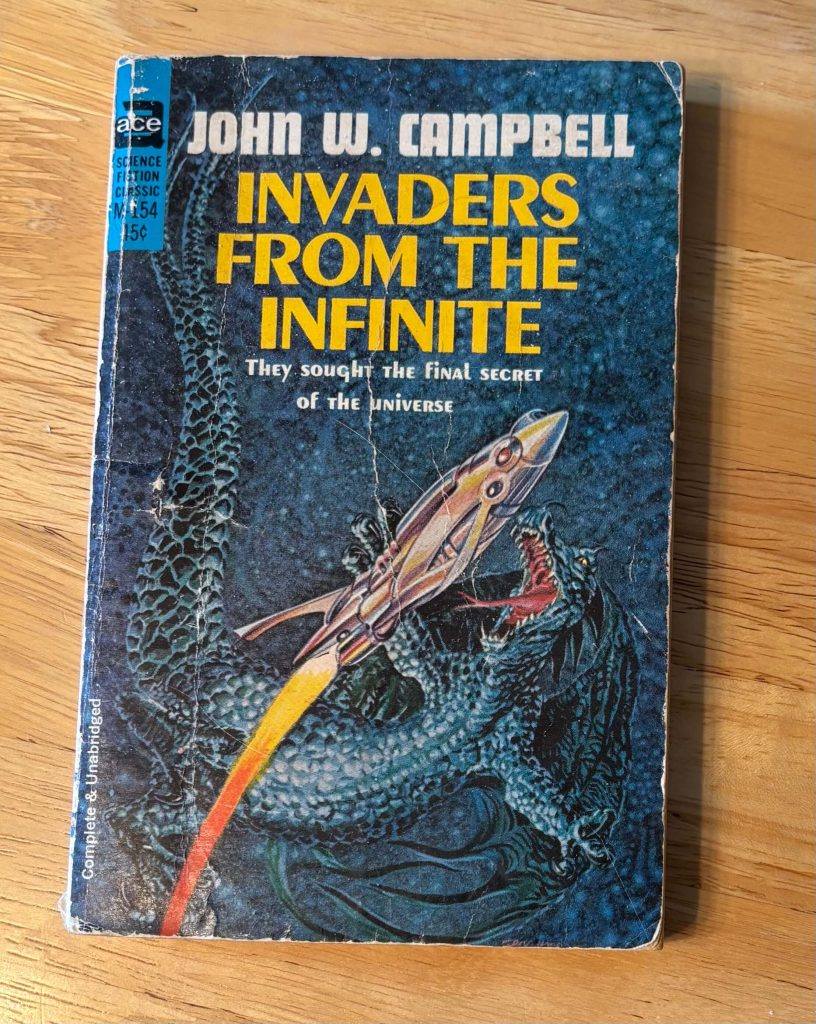
I learned about storing vintage paperbacks the hard way. I spent six months hunting for a first-edition Ace Double of The Stars My Destination… finally found a beautiful copy in Very Good condition for $35. I was thrilled. I put it on my bookshelf next to a sunny window and forgot about it.
Three months later, the spine had faded from burgundy to pale pink. The cover art… that gorgeous Richard Powers abstract… looked washed out. The book was still readable, but the value had dropped by half. All because I didn’t know that sunlight is the enemy of vintage paperbacks.
If you’re collecting vintage science fiction paperbacks, you need to know how to protect them.
These books have survived decades already… some over 70 years…
…but they won’t survive improper storage.
The good news?
Proper storage doesn’t require expensive equipment or a climate-controlled vault. You just need to understand what damages vintage paper and how to prevent it.
This guide covers everything: the biggest threats to your collection, storage solutions for every budget, organizing strategies, and special considerations for pulps (which are even more fragile than paperbacks).
Whether you have five books or five hundred, you’ll learn how to keep them safe for decades to come.
The Five Enemies of Vintage Paperbacks
Before we talk about solutions, understand what you’re protecting against:
Enemy #1: Sunlight (UV Radiation)
Ultraviolet light is catastrophic for vintage paperbacks. It fades cover colors, yellows pages, and breaks down paper fibers. Even indirect sunlight through a window will damage books over time.
The damage is permanent and irreversible. That beautiful Kelly Freas cover art? UV light will turn it into a ghost of itself within months.
Solution: Never store books in direct sunlight. Keep them away from windows. If you must store books near windows, use UV-filtering window film or blackout curtains. See UV-blocking window film options
Enemy #2: Humidity and Moisture
High humidity causes mold, mildew, warping, and that musty smell that ruins a book’s value. Low humidity makes pages brittle and prone to cracking.
Ideal humidity: 30-50%. Above 60%? You’re inviting mold. Below 30%? Pages get brittle.
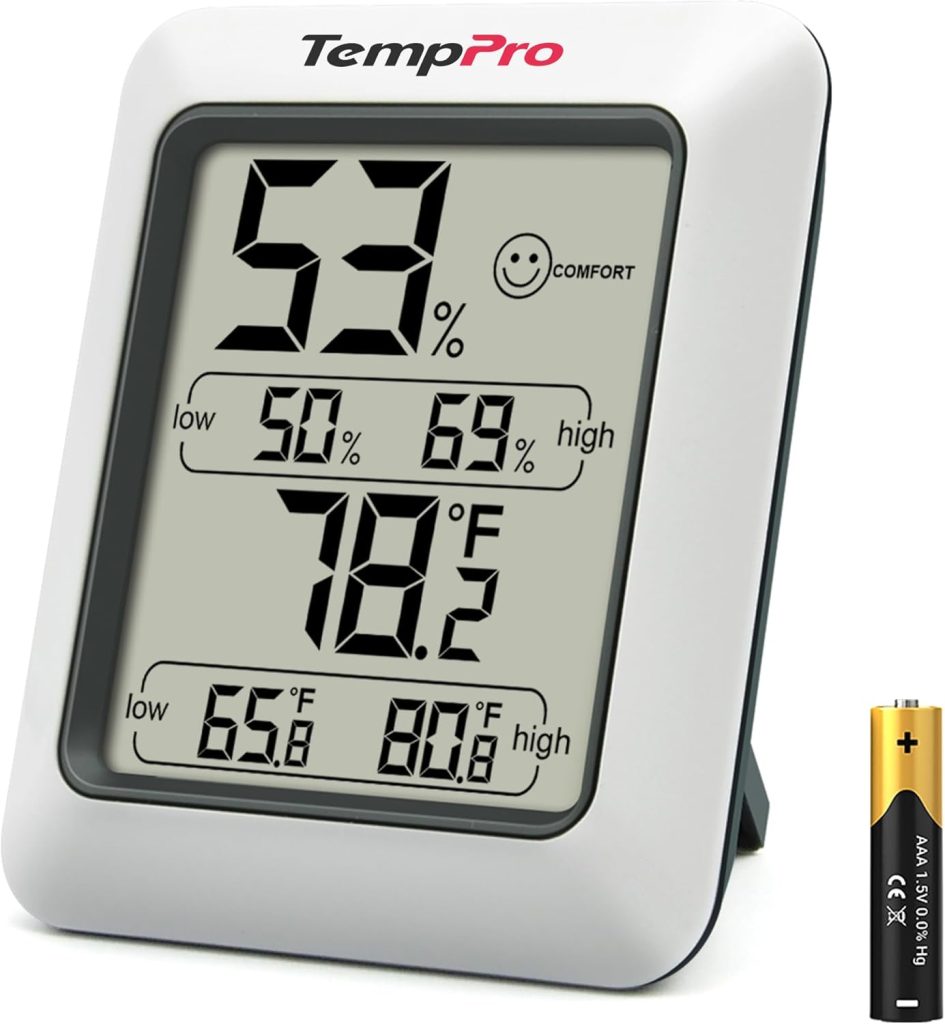
Solution: Use a hygrometer to monitor humidity. If levels are too high, use a dehumidifier or silica gel packs. If too low, use a humidifier (rare problem for book collectors).
 |
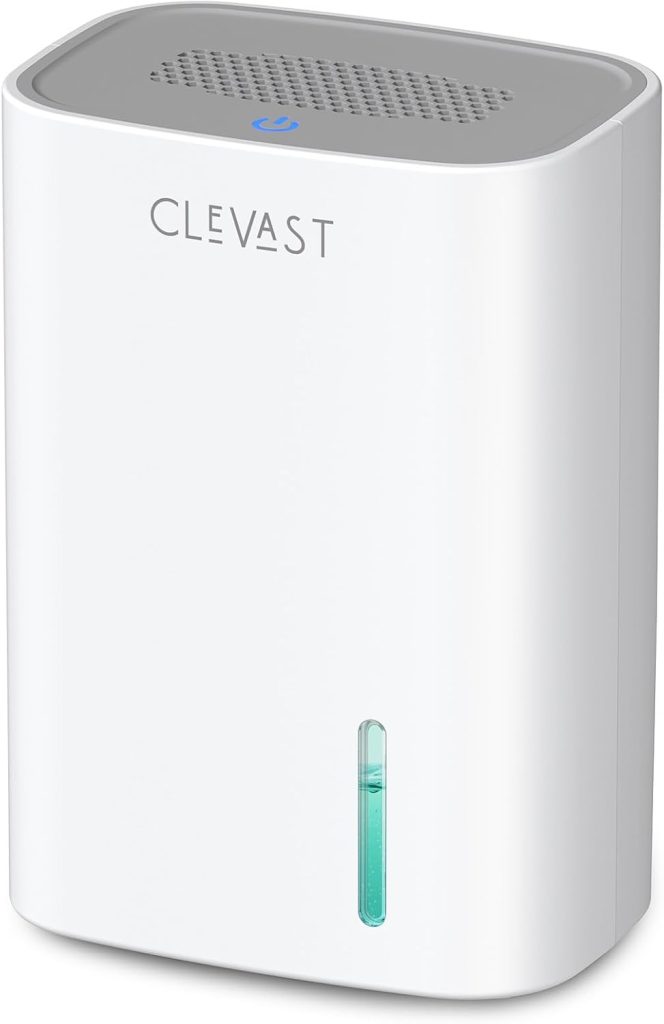 |
Browse digital hygrometers | Browse small dehumidifiers for closets
Enemy #3: Temperature Fluctuations
Constant temperature swings accelerate paper degradation. Heat speeds up chemical breakdown, cold makes paper brittle, and cycling between the two is worst of all.
Ideal temperature: 60-70°F (15-21°C). Consistency matters more than hitting exact numbers.
Solution: Store books in climate-controlled living spaces. Avoid attics (too hot), basements (too humid), and garages (temperature swings). Your living room bookshelf is actually better than a garage “book room.”
Enemy #4: Physical Damage
Improper handling, stacking, shelving, and storage cause spine creases, cover tears, page foxing, and binding damage.
Common mistakes: Stacking books horizontally (stresses spines), overcrowding shelves (bends covers), using metal bookends (scratches covers), pulling books by spine tops (tears covers).
Solution: Store upright, use proper bookends, give books breathing room, and handle carefully. Avoid metal if possible. Browse non-slip bookends
Enemy #5: Dust and Pollutants
Dust attracts moisture and insects. Air pollutants (smoke, cooking oils, cleaning chemicals) can discolor covers and pages over time.
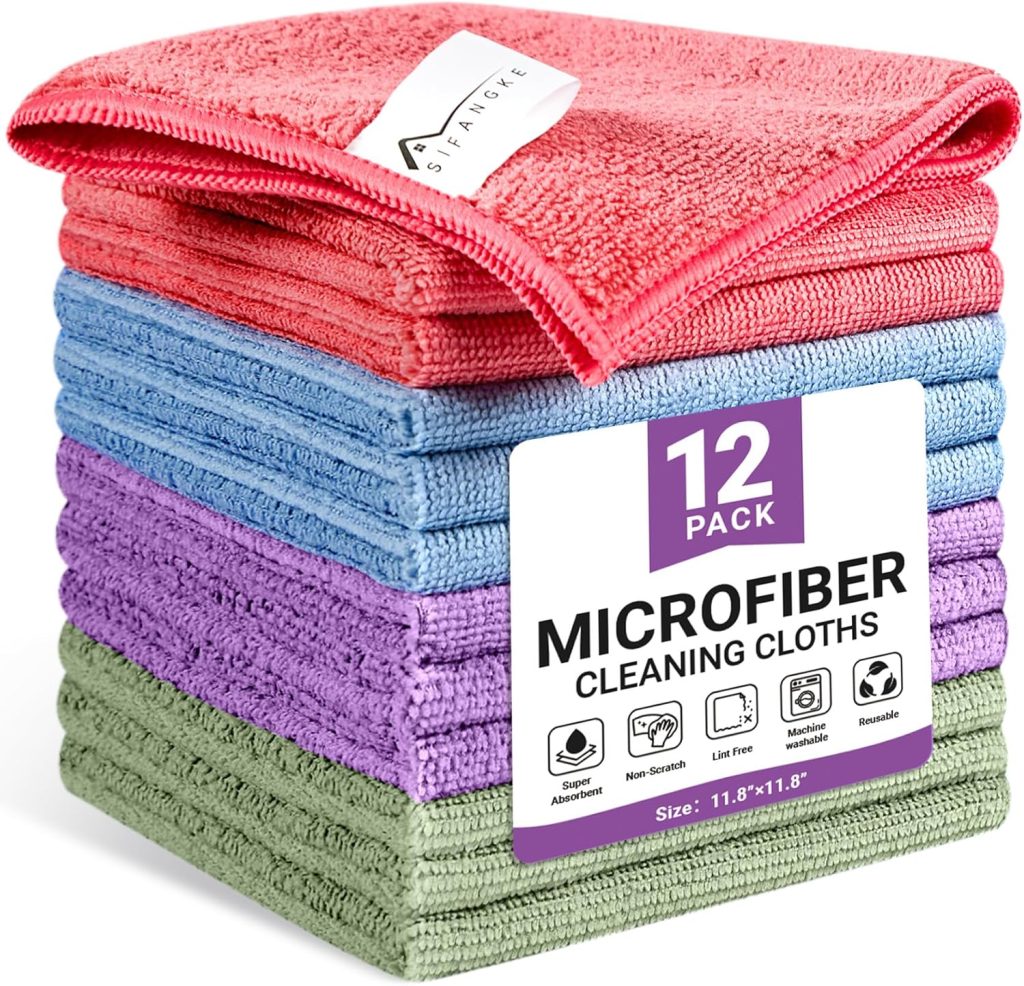
Solution: Enclosed bookcases with glass doors are ideal. Otherwise, dust shelves regularly with a microfiber cloth. For valuable books, use archival protective bags.
 |
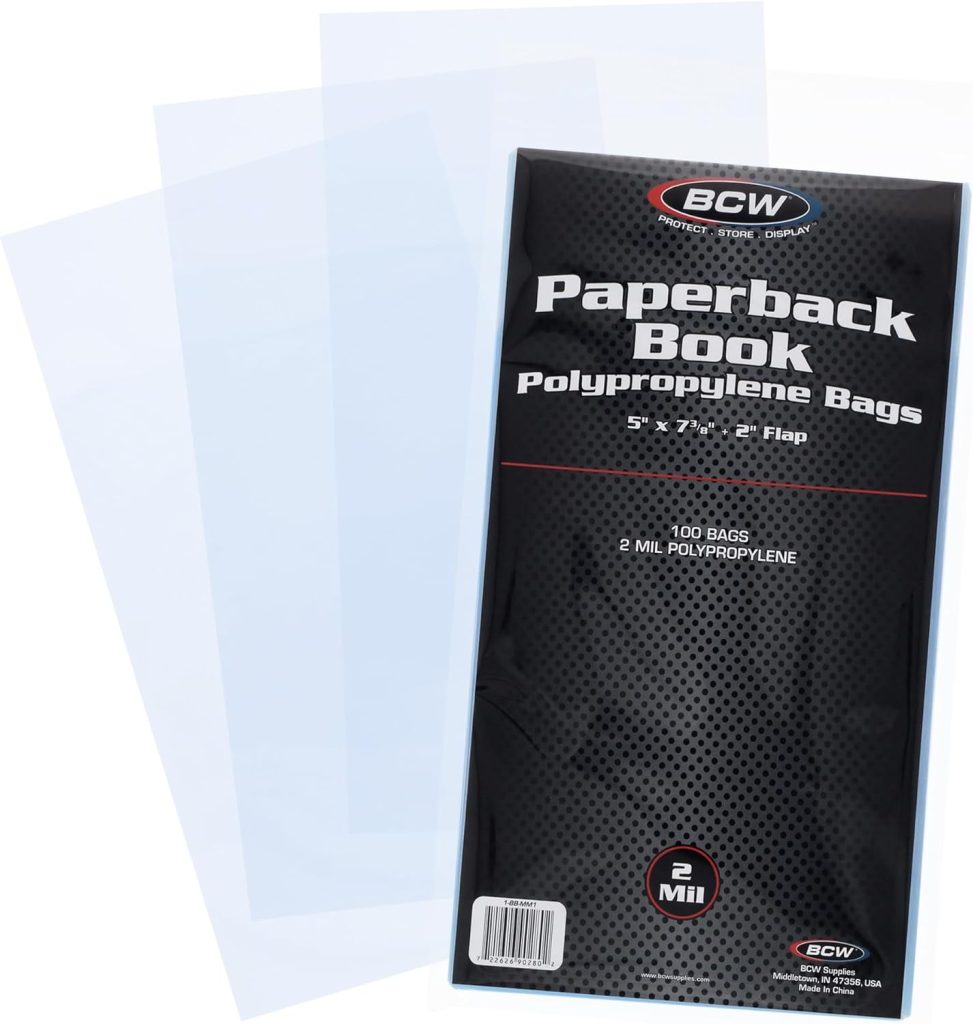 |
More microfiber dusting cloths | Browse Archival polypropylene book bags
Storage Solutions by Budget
You don’t need to spend a fortune to protect your collection. Here are proven strategies at three budget levels:
Budget Level 1: Essential Protection ($25-75)
Start here if you’re new to collecting or working with limited funds.
What to buy:
Archival bags for your most valuable books – Polypropylene sleeves protect covers from dust, fingerprints, and light handling damage. Get the right size for mass-market paperbacks (usually 4.25″ x 7″ or 4.5″ x 7.5″). Budget: $15-25 for 100 bags. Shop archival book bags for mass-market paperbacks
Basic bookends – Fabric or foam-covered bookends prevent scratching. Avoid metal bookends that can damage covers. Budget: $10-20 for a pair. Browse non-slip bookends on Amazon
Hygrometer – Monitor humidity in your storage area. Digital models are cheap and accurate. Budget: $10-15. Shop digital hygrometers
Silica gel packets – Place in storage boxes to control moisture. Reusable if you dry them in the oven periodically. Budget: $8-12. Browse reusable silica gel packets
Total investment: $43-72. This covers the essentials and protects your most valuable books.
Budget Level 2: Serious Protection ($100-250)
For collectors with 50+ books or higher-value items.
Everything from Level 1, plus:
Archival storage boxes – Acid-free, lignin-free boxes for long-term storage of books you’re not actively displaying. Perfect for duplicates or books you’re holding for value. Budget: $30-50 for 3-5 boxes. Shop archival storage boxes for books
Small dehumidifier – For closets, bookshelves, or small rooms. Electric models work better than passive moisture absorbers. Budget: $40-80. Browse small electric dehumidifiers
Book cradles or stands – For displaying valuable books without stressing the spine. Budget: $15-25. Shop acrylic book display stands
UV window film – If your bookshelves are near windows. Blocks 99% of UV radiation while allowing visible light. Budget: $20-40 for enough to cover 2-3 windows. Browse UV-blocking window film
Total investment: $105-195 additional. Now your entire collection has professional-level protection.
Budget Level 3: Museum-Grade Storage ($300+)
For serious collectors with rare books or investment-grade collections.
Everything from Levels 1 and 2, plus:
Enclosed bookcase with glass doors – Protects from dust, pollutants, and light while allowing display. Billy bookcase from IKEA with glass doors is surprisingly good and affordable. Budget: $150-300. Shop glass-door bookcases on Amazon (Note: Check IKEA directly as well.)
Climate-controlled storage unit – For extremely large collections or if you live in extreme climates. Budget: $50-150/month.
Archival tissue paper – For wrapping extremely valuable or fragile pulps before bagging. Budget: $15-25. Browse acid-free tissue paper
Full-room dehumidifier – For dedicated book rooms. Budget: $200-300. Shop large capacity dehumidifiers
Total investment: Varies widely, but $500-1,000+ for a complete museum-grade setup.
How to Store Books: Shelving Best Practices
Even with the right supplies, improper shelving can damage your books. Here’s how to do it right:
Orientation: Always Vertical
Store books upright (spine facing out), never stacked horizontally. Stacking puts weight on covers and spines, causing warping and creasing over time.
Exception: Oversized pulps or fragile books can be stored flat if necessary, but never stack more than 3-4 books high.
Spacing: Room to Breathe
Don’t overcrowd shelves. Books packed too tightly get damaged when you pull them out. Books too loose lean and develop spine slant.
Sweet spot: Books should stand upright with gentle support from neighbors, but you should be able to slide a finger behind any book. Use bookends to support smaller groups. Browse adjustable metal bookends
Shelving Material: Wood or Metal
Avoid wire shelving or cheap particleboard. Both can sag over time, and particleboard releases chemicals that can damage books.
Best options: Solid wood shelving, powder-coated metal, or high-quality veneer. Painted shelves are fine if the paint is fully cured. Browse solid wood bookshelves
Weight Distribution: Don’t Overload
Books are heavier than you think. A shelf full of vintage paperbacks can weigh 50+ pounds. Make sure your shelving is rated for the weight.
Check manufacturer specs. Reinforce sagging shelves with center supports.
Location: Climate-Controlled Living Space
Best: Living room, bedroom, office, den… anywhere with climate control and low humidity
Acceptable: Interior closets (not exterior walls), finished basements with dehumidifier
Avoid: Attics (too hot), unfinished basements (too humid), garages (temperature swings), near radiators or vents, bathrooms, kitchens
Long-Term Storage: Boxes and Bins
If you have more books than shelf space (or duplicates you’re holding for value) proper boxing is essential.
Choose the Right Containers
Best: Archival storage boxes (acid-free, lignin-free). Designed specifically for long-term paper storage. Shop archival document storage boxes on Amazon
Good: Plastic storage bins with lids. Make sure they’re not airtight (books need some air circulation). Avoid bins that trap moisture. Browse plastic storage bins with vented lids
Avoid: Cardboard moving boxes (not archival quality), sealed plastic bags (trap moisture), metal containers (can rust or sweat).
Pack Properly
Books upright or flat – Never on their edges (spine up or down). Edges are the weakest part of a paperback.
Not too tight – Books should fit snugly but not be crushed. Leave a finger’s width of space.
Add silica gel – One or two packets per box controls moisture. Shop silica gel packets for storage on Amazon
Label clearly – Write contents on box exterior. “PKD 1960s Ace editions” is better than “Sci-Fi Box 3.”
Storage Location for Boxes
Same rules as shelving: climate-controlled interior space. Interior closets are perfect for boxed books.
Stack boxes no more than 3-4 high. Heavy books on bottom, lighter on top. Leave boxes accessible so you can check on them periodically.
Special Considerations for Pulps
Pulp magazines and early paperbacks (pre-1960s especially) require extra care. The paper stock was cheap and acidic… that’s why they’re called “pulps.”
Why Pulps Are More Fragile
High acid content – Pulp paper was made from wood pulp with lots of lignin. This causes the classic brown, brittle pages.
Thinner paper – More prone to tearing than later paperback stock.
Poor binding – Staples rust, glue dries out, covers separate from text blocks.
Extra Protection for Pulps
Bag and board – Use archival bags with backing boards for support. Pulps are often too fragile to shelve without support. Shop magazine-size archival bags and boards on Amazon
Store flat if very fragile – Unlike regular paperbacks, extremely brittle pulps are safer stored flat in archival boxes.
Handle minimally – Oil from your hands accelerates acid degradation. Wear cotton gloves if handling valuable pulps frequently. Browse white cotton gloves for archival handling
Consider deacidification – For extremely valuable pulps, professional deacidification treatment can slow degradation. This is expensive ($50-200 per item) and usually only worth it for museum-quality pieces. Not a DIY project.
Organization Strategies
Good organization protects books by reducing handling. If you can find a book quickly, you’re less likely to pull out ten others looking for it.
Common Organization Methods
By Author – Most intuitive for most collectors. Alphabetical by author last name, then chronological by publication date within each author.
By Publisher/Imprint – If you collect specific publishers (Ace, Ballantine, etc.). Great for visual appeal… Ace Doubles look amazing grouped together.
By Era – 1950s together, 1960s together, etc. Good if you’re an era specialist.
By Value – Keep your most valuable books together in one protected area. Makes it easier to grab them in an emergency (fire, flood, etc.).
My system: I organize by author for most books, but keep all Ace Doubles together on one shelf and all first editions together on another. Hybrid systems work fine.
Catalog Your Collection
Once you have 50+ books, consider cataloging. This helps with insurance, prevents buying duplicates, and makes finding books easier.
Simple option: Google Sheets or Excel. Track: Title, Author, Publisher, Year, Edition, Condition, Purchase Price, Current Value, Location (Shelf A, Box 3, etc.).
Advanced option: LibraryThing or Goodreads for online cataloging with community features.
Common Storage Mistakes (and How to Avoid Them)
I’ve made all of these mistakes. Learn from my pain:
Mistake #1: “The Basement Will Be Fine”
No. Basements are humidity death traps for paper. Even finished basements often have 60-70% humidity, which is mold territory.
Exception: If you have a dehumidifier running 24/7 and can maintain 30-50% humidity, a finished basement is acceptable. But monitor constantly. Browse basement dehumidifiers
Mistake #2: Storing Books in Plastic Wrap or Ziploc Bags
This traps moisture and accelerates degradation. Books need to breathe.
Use archival polypropylene bags instead… they protect from dust and handling but allow air circulation. Shop archival book bags on Amazon
Mistake #3: Using Rubber Bands or Paper Clips
Rubber bands dry out and damage covers. Paper clips rust and leave marks.
If you need to keep materials together, use acid-free folders or archival envelopes. Browse acid-free document folders
Mistake #4: Ignoring Small Problems
A slightly musty smell? That’s early mold. A book leaning at 45 degrees? That’s spine slant forming. Yellow spots on pages? That’s foxing starting.
Catch problems early. Check your collection every few months. Look for: discoloration, warping, smells, insect damage, mold spots.
Mistake #5: Assuming “Vintage” Means “Already Damaged”
Just because a book is 60 years old doesn’t mean it can’t get worse. A Very Good condition book can become Fair condition in a year with bad storage.
Protect what you have. A $20 book in Very Good condition is better than a $10 book in Fair condition.
Handling Best Practices
Even the best storage won’t help if you damage books while reading or moving them.
Clean hands always – Wash and dry hands before handling. No food, no drinks nearby.
Support the spine – When reading, don’t force the book flat. Let it rest partially open. Use a book pillow or reading stand for long sessions. Shop book reading pillows on Amazon
Pull from the middle – When removing from shelf, push neighboring books back slightly and grasp the middle of the book… never pull by the top of the spine.
Use bookmarks, never dog-ears – If you’re dog-earing vintage paperbacks, we can’t be friends. Browse thin magnetic bookmarks
Transport carefully – When moving books, use sturdy boxes. Pack tightly enough that books don’t shift, but not so tight they’re crushed. Shop heavy-duty moving boxes on Amazon
Insurance and Documentation
If you have a collection worth more than a few hundred dollars, document it.
Photograph your collection – Take photos of shelves and individual valuable books (cover and copyright page showing edition). Store photos in cloud storage.
Keep receipts – Proof of purchase and value for insurance claims.
Check homeowner’s/renter’s insurance – Standard policies often cap collectibles at $1,000-2,500. If your collection exceeds this, consider a rider or separate collectibles policy.
Appraisals – For collections over $5,000, consider a professional appraisal for insurance purposes.
Protect Your Investment, Enjoy Your Collection
Proper storage isn’t about being paranoid or treating books like museum artifacts you can’t touch. It’s about preserving what you love so you can enjoy it for years… and maybe pass it on to someone else someday.
Start with the basics: keep books away from sunlight, control humidity, store them upright with proper support. That alone will prevent 90% of damage.
As your collection grows, invest in archival supplies, better shelving, and environmental controls. But don’t let perfect be the enemy of good. A book on a regular bookshelf in a climate-controlled room will outlast a book in an attic or basement, even if that basement has fancy archival boxes.
These books have survived decades already. With a little care, they’ll survive decades more. And every time you pull a well-preserved vintage paperback off your shelf, you’ll be glad you took the time to protect it.
Related Resources
- How to Start Collecting Vintage Sci-Fi Paperbacks – New to collecting? Start here.
- Where to Buy Vintage Sci-Fi Books Online – Find the books worth protecting.
- Join our newsletter for more collecting tips and vintage sci-fi recommendations.
Disclosure: As an Amazon Associate, I earn from qualifying purchases.