I still remember the first time I held a genuine first-edition Ace Double. The musty smell, the yellowed pages, that distinctive cover art…
…it was like holding a piece of publishing history.
But I also remember the confusion: Was $15 too much? Should I buy it now or wait? Was this even a good edition to start with?
If you’re thinking about collecting vintage science fiction paperbacks, you’re probably feeling the same mix of excitement and uncertainty. The good news? You don’t need a trust fund or a PhD in bibliography to start a meaningful collection. You just need to know where to start, what to look for, and how to avoid common beginner mistakes.
This guide will walk you through everything: how to define your collecting focus, where to find books, what to pay, how to evaluate condition, and how to build a collection that brings you joy without emptying your wallet.
Why Collect Vintage Sci-Fi Paperbacks?
Before we dive into the how, let’s talk about the why… because your motivation will shape what you collect and how much you spend.
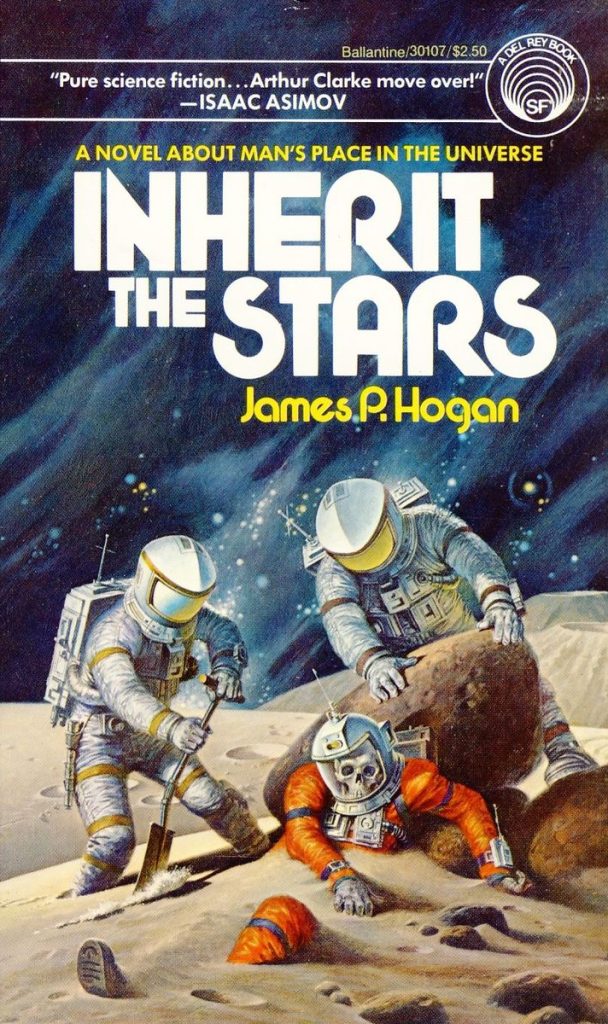
The Art and Design
Vintage sci-fi paperback covers are miniature works of art. Artists like Ed Emshwiller, Richard Powers, and Frank Kelly Freas created iconic imagery that defined the genre’s visual language. Collecting lets you own these pieces of art history… often for less than a modern art print costs.
The Reading Experience
There’s something different about reading a book in its original form. When you read a 1963 Ace edition of The Man in the High Castle, you’re experiencing the same physical object readers held sixty years ago. The typography, the paper quality, even the ad copy on the back… it all contributes to a reading experience you can’t get from a modern reprint.
If you’re new to vintage sci-fi and want recommendations on what to actually read, check out our guide to the best vintage sci-fi books for beginners.
The Investment Potential
Let’s be honest: most vintage paperbacks won’t make you rich. But certain first editions—especially signed copies or books that became culturally significant—do appreciate.
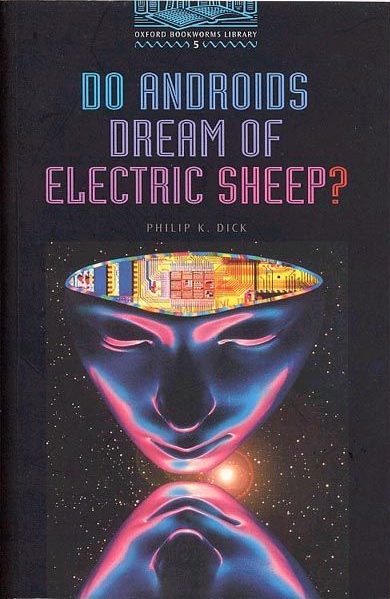
A first edition of Do Androids Dream of Electric Sheep? that sold for $5 in 1968 can fetch $200+ today in good condition. Just don’t collect solely for investment.
Collect what you love, and if it appreciates, that’s a bonus.
Step 1: Define Your Collecting Focus
The biggest mistake new collectors make? Trying to collect everything. You’ll spend more money and end up with a scattered, unsatisfying collection.
Instead, pick a focus. Here are some proven approaches:
Collect by Author
This is the most common entry point. Pick an author you love and collect their vintage paperback editions.
Good starter authors:
Philip K. Dick – Prolific, widely collected, but early Ace editions are still affordable ($10-30 for reading copies). First editions of Ubik, The Three Stigmata of Palmer Eldritch, or A Scanner Darkly make excellent anchor pieces. Browse Philip K Dick vintage paperbacks on AbeBooks
Isaac Asimov – Foundation series paperbacks are iconic and relatively easy to find. Early Ballantine and Avon editions are beautiful. Find Asimov Foundation vintage editions on Biblio
Ursula K. Le Guin – The Left Hand of Darkness and The Dispossessed in vintage Ace editions are gorgeous and still reasonably priced ($15-40). Shop Ursula Le Guin vintage paperbacks on Amazon
Robert Heinlein – Signet and Berkley editions from the ’50s and ’60s are plentiful and affordable. Stranger in a Strange Land in its original uncut Putnam edition is a grail-level find. Browse Robert Heinlein vintage paperbacks on eBay
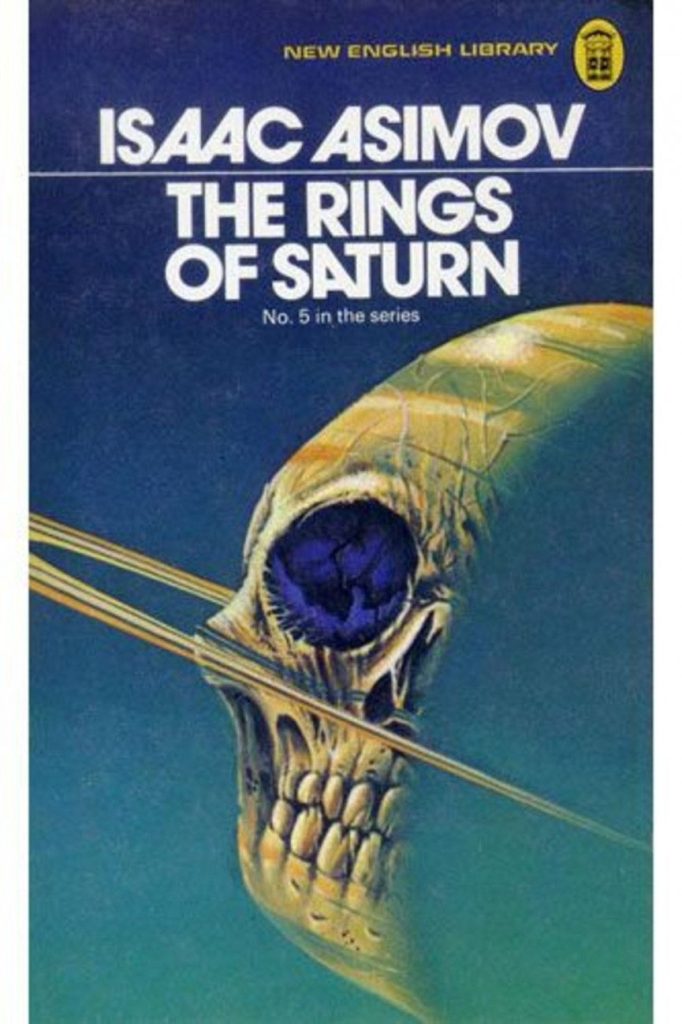
Collect by Publisher/Imprint
Some collectors focus on specific publishers known for exceptional cover art or editorial vision.
Ace Doubles (1952-1973) – Two novels in one, printed tête-bêche (upside down relative to each other). Iconic format, great cover art, affordable. You can build a serious Ace Double collection for $10-20 per book. Find Ace Double vintage paperbacks on AbeBooks
Ballantine Adult Fantasy – Beautiful covers, curated selection. These books feel special to own. Browse Ballantine Adult Fantasy books on Biblio
Penguin Science Fiction (UK) – Distinctive design, high editorial standards. Often overlooked by US collectors, which makes them good value. Shop Penguin Science Fiction vintage on eBay
Collect by Era
Focus on a specific decade or movement.
Golden Age (1940s-1950s) – Pulp magazine reprints, early Ace and Ballantine editions. Harder to find in good condition, but incredibly atmospheric. Browse Golden Age sci-fi paperbacks on AbeBooks
New Wave (1960s-1970s) – Experimental, literary, often with psychedelic cover art. Authors like Ballard, Moorcock, Aldiss. Extremely collectible and visually striking. Find New Wave science fiction paperbacks on Biblio
Cyberpunk (1980s) – William Gibson, Bruce Sterling, Pat Cadigan. First editions of Neuromancer are expensive ($200+), but most cyberpunk paperbacks are still affordable. Shop Cyberpunk vintage paperbacks on Amazon
Step 2: Learn What Makes a Book Valuable
Not all vintage paperbacks are created equal. Here’s what affects value:
Edition and Printing
First edition, first printing – The holy grail. Look for “First Edition” or “First Printing” stated on the copyright page, or number lines that start with “1” (e.g., “1 2 3 4 5 6 7 8 9 10”). These command premium prices.
Later printings – Still collectible if the cover art is iconic or if it’s your only affordable option for a rare title. Worth $3-10 typically.
Book club editions – Usually marked “BCE” or “Book Club Edition.” Less desirable to collectors, but fine if you just want to read the book. Often under $5. Find vintage sci-fi book club editions on eBay
Condition Grading
Paperback condition is crucial to value. Here’s the standard grading scale:
Fine – Like new. No creases, tight spine, no wear. Rare for vintage paperbacks. Commands highest prices.
Very Good – Light shelf wear, minor spine creasing, pages clean. This is the sweet spot for collectors—good enough to display, affordable enough to actually buy. Expect to pay 40-60% of “Fine” prices.
Good – Reading wear visible, spine creases, maybe a small cover tear. Still intact and readable. Great for building a reading collection on a budget. Usually 20-30% of “Fine” prices.
Fair/Poor – Heavy wear, loose pages, significant damage. Only buy these if they’re extremely rare and you’re willing to upgrade later. Often under $5.
Pro tip: Buy the best condition you can afford for books you love, and buy reading copies (Good condition) for books you just want to experience. This lets you build a bigger collection without breaking the bank.
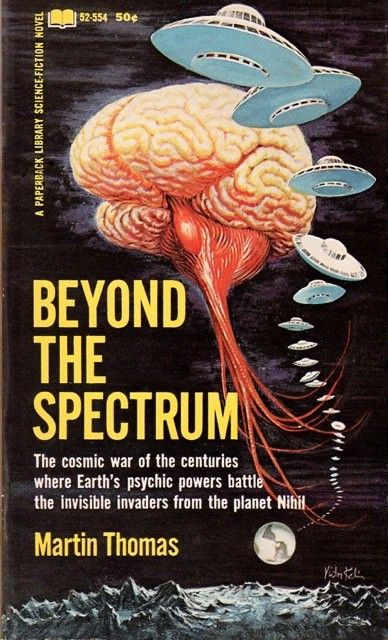
Step 3: Know Where to Buy (and What to Pay)
I’ve written a complete guide to where to buy vintage sci-fi books, but here’s the quick version with realistic price expectations.
Online Marketplaces
AbeBooks – Best for serious collectors. Detailed condition descriptions, seller ratings, global inventory. Prices tend to be fair but not bargain-basement. Expect to pay market rate. Browse vintage sci-fi on AbeBooks
Biblio – Similar to AbeBooks but often with independent booksellers. Good for finding unusual editions. Prices comparable to AbeBooks. Search Biblio for vintage sci-fi
eBay – The wild west. You can find incredible deals if you’re patient and willing to dig. Use saved searches and check daily. Auction format means prices vary wildly. I’ve scored $50 books for $8, and I’ve also overpaid for damaged copies. Buyer beware, but the thrill of the hunt is real. Browse vintage science fiction paperbacks on eBay
Amazon Marketplace – Convenient but descriptions are often vague. Condition grading is inconsistent. Good for common titles, risky for expensive collectibles. Shop vintage sci-fi paperbacks on Amazon
Thrift Stores and Used Book Shops
This is where patient collectors build amazing collections for pennies on the dollar. I’ve found first-edition Ace Doubles for $1 at Goodwill. The catch? It takes time, and you need to know what you’re looking at.
Strategy: Visit regularly, check the sci-fi section thoroughly, and don’t be afraid to dig. Learn to spot publisher logos and cover artists. Bring a smartphone so you can look up editions on the spot.
Estate Sales and Library Book Sales
These can be gold mines, especially if the estate belonged to a sci-fi reader from the ’50s-’70s. Library sales often sell books by the bag for $5-10. I once bought an entire bag of Ace Doubles for $5—twenty books total.
Check estatesales.net and library sale listings in your area. Show up early for the best selection.
Step 4: Set a Realistic Budget
You don’t need thousands of dollars to start collecting. Here’s a realistic breakdown:
Budget Starter Collection ($50-100)
Focus on: Reading copies (Good condition), common titles, later printings, book club editions
Where to shop: Thrift stores, library sales, eBay auctions
What you can buy: 10-20 vintage paperbacks in readable condition. Build a core collection of classic authors. Browse vintage sci-fi paperback lots under $20 on eBay
Intermediate Collection ($200-500)
Focus on: Very Good condition books, some first editions of less sought-after titles, specific authors or publishers
Where to shop: Mix of AbeBooks, Biblio, eBay, and in-person hunting
What you can buy: 20-40 books with a few “anchor” pieces—nice first editions or iconic covers you’re proud to display. Find first edition vintage sci-fi under $50 on AbeBooks
Serious Collector Budget ($500+)
Focus on: First edition, first printings in Fine/Very Good condition, signed copies, rare editions
Where to shop: AbeBooks, Biblio, specialist dealers, rare book shows
What you can buy: Curated collection of high-quality books, grail editions, investment-grade collectibles. Browse rare first edition sci-fi paperbacks on AbeBooks
Step 5: Avoid Common Beginner Mistakes
I’ve made all of these mistakes. Learn from my pain:
Buying books just because they’re cheap – A $2 book you don’t care about is still $2 wasted. Only buy books that genuinely interest you, even if it means buying fewer books.
Ignoring condition – That $5 “bargain” with a broken spine and water damage isn’t a bargain. You’ll want to upgrade later, and now you’re stuck with a book you can’t resell. Buy the best condition you can afford.
Not checking if it’s a first edition – Always verify edition status before paying collector prices. Sellers make mistakes, and you don’t want to pay $50 for a third printing.
Collecting for investment instead of love – The market for vintage paperbacks is niche. Most books won’t appreciate significantly. Collect what you love, and if it gains value, that’s a bonus.
Buying too fast – Pace yourself. Collecting is a marathon, not a sprint. Better to save up for one great book than buy ten mediocre ones.
Step 6: Care for Your Collection
Once you start collecting, you’ll want to protect your investment:
Storage
Upright on shelves – Store books vertically, not stacked. Stacking stresses spines.
Away from sunlight – UV light fades covers. Keep valuable books away from windows.
Climate controlled – Humidity and temperature swings are the enemy. Avoid basements and attics.
Protective bags – For especially valuable books, consider archival-quality polypropylene bags. They’re cheap insurance. Shop archival book bags on Amazon
Handling
Clean hands – Oils from your skin damage covers and pages over time.
Open carefully – Vintage paperbacks have fragile spines. Don’t force them flat. Let them rest partially open when reading.
Use bookmarks, not dog-ears – This should go without saying, but I’ve seen people fold corners on first editions. Don’t be that person.
Your First Five Purchases
Ready to start? Here’s my recommended first five books for a new collector:
1. An Ace Double – Any Ace Double in Good or better condition. Budget: $10-20. This teaches you what tête-bêche printing feels like and introduces you to the format that defined ’50s and ’60s sci-fi paperbacks. Find Ace Doubles under $25 on AbeBooks
2. A Philip K. Dick paperback – First printing if possible, later printing if budget is tight. The Three Stigmata of Palmer Eldritch, Ubik, or Do Androids Dream of Electric Sheep? are all iconic. Budget: $15-40. Browse Philip K Dick vintage paperbacks on Biblio
3. A Ballantine Adult Fantasy – The design of these books is gorgeous. Pick one with a cover you love. Budget: $10-30. Shop Ballantine Adult Fantasy books on AbeBooks
4. A Foundation or Robot novel by Asimov – Foundation in an early Avon or Gnome Press edition. Budget: $15-35. Find Asimov Foundation vintage editions on Amazon
5. Something weird and wonderful – A New Wave novel with psychedelic cover art. Ballard’s The Drowned World, Moorcock’s The Final Programme, or Zelazny’s Lord of Light. Budget: $10-25. Browse New Wave science fiction paperbacks on eBay
Total first collection budget: $60-150 depending on condition and luck. That’s five beautiful vintage paperbacks that will teach you what you love and what to look for next.
Start Small, Think Long-Term
The best vintage sci-fi collections aren’t built in a weekend. They’re built over years… one great find at a time. Start with books you genuinely want to own, learn as you go, and don’t stress about building a “complete” collection. There’s no such thing.
The joy of collecting isn’t in owning every book ever published. It’s in the hunt, the discovery, the moment you find that perfect edition you’ve been searching for. It’s in pulling a book off your shelf and remembering exactly where you found it… the estate sale, the dusty thrift store, the lucky eBay auction.
So start simple. Buy five books. Read them. Display them. See how it feels. Then decide if you want to keep going.
The books are out there, waiting. Happy hunting.
Related Resources
- Best Vintage Sci-Fi Books for Beginners – Not sure what to read? Start here.
- Where to Buy Vintage Sci-Fi Books Online – Complete guide to finding books at the best prices.
- Join our newsletter for weekly vintage sci-fi recommendations and collecting tips.