You don’t need a ton of money to start a vintage sci-fi collection on a budget. You need a plan.
Fifty dollars. That’s roughly what most people spend on a decent dinner out. But put that same money into the right places, and you can walk away with a legitimate vintage sci-fi collection…
…ten, fifteen, sometimes twenty books that represent some of the best speculative fiction ever written.
The catch? You have to know where to look and how to spend. Buy randomly and $50 evaporates fast with nothing much to show for it. Buy strategically and $50 is a genuine starting point.
Here are six ways to do it right.
Before You Spend a Dollar: Set Your Expectations
Vintage sci-fi collecting on a budget means reading copies, not collector’s items. We’re talking paperbacks with tanned pages, maybe a previous owner’s name on the inside cover, a spine that’s been cracked a few times. These are books that have lived a little.
That’s not a compromise. That’s the point.
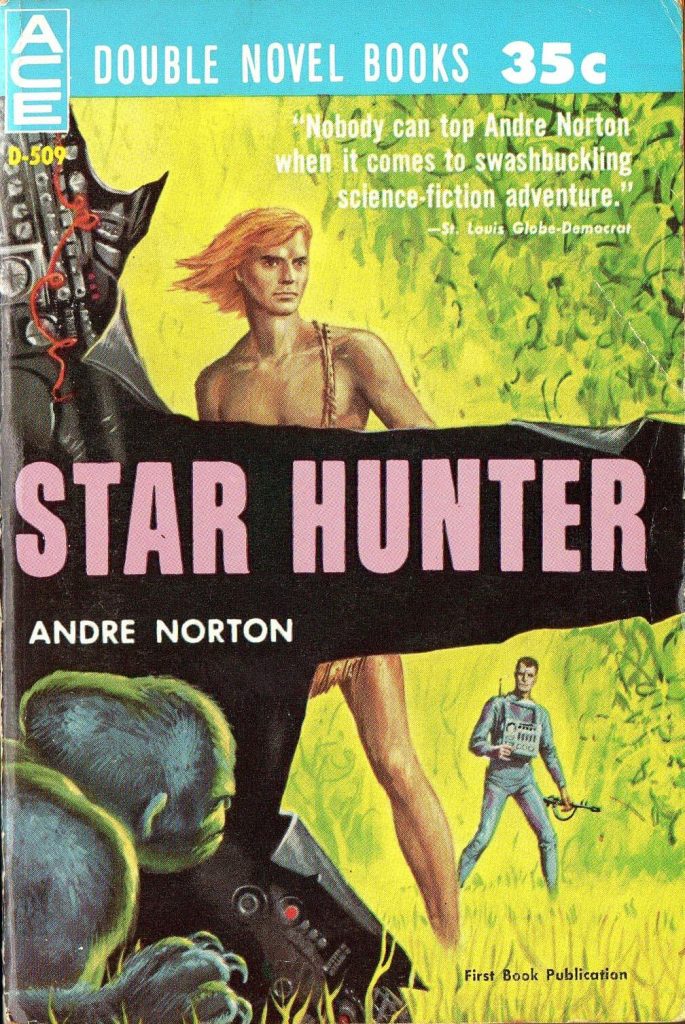
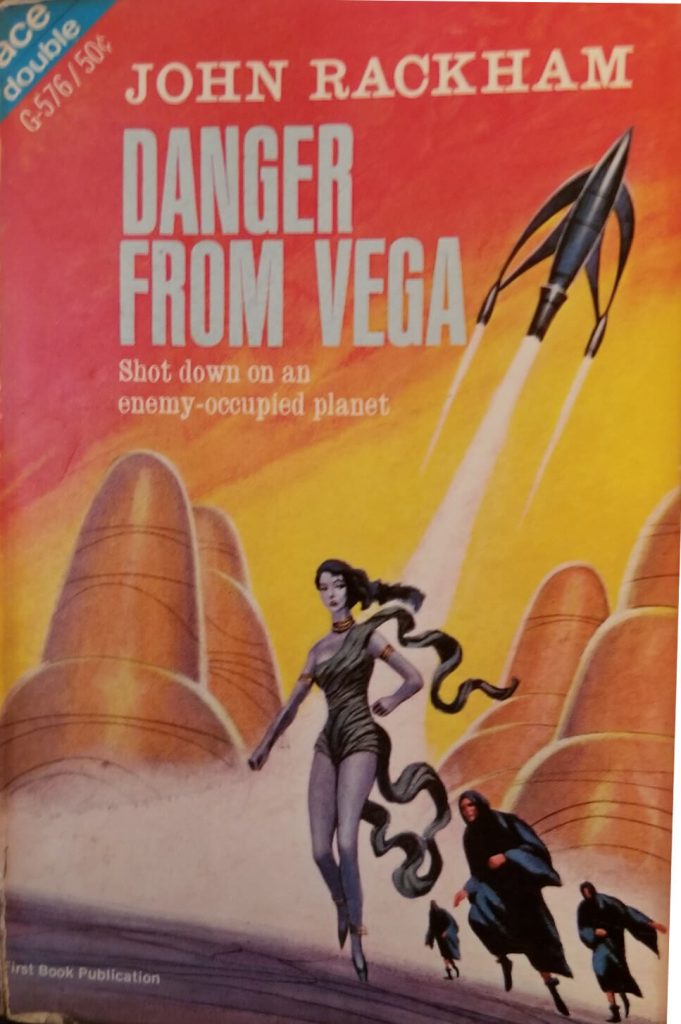
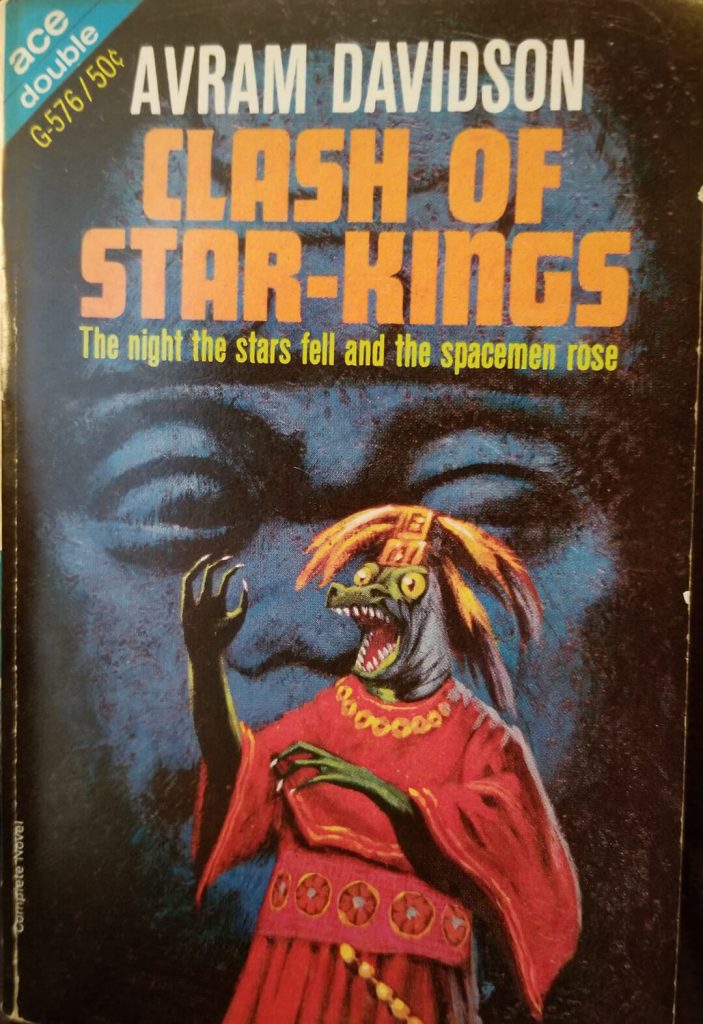
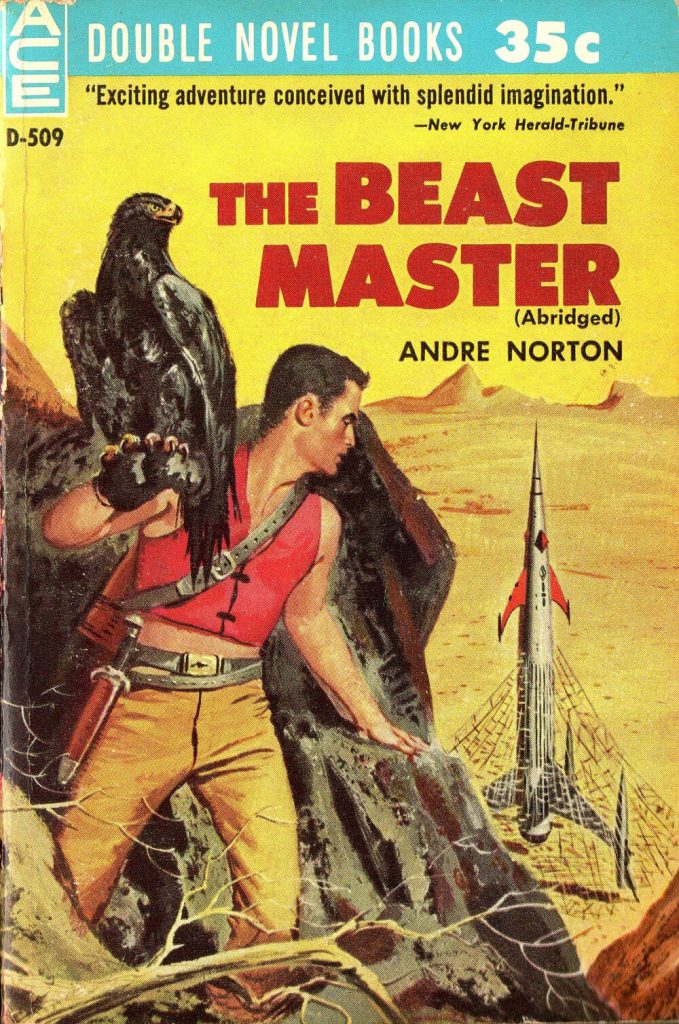
The yellowed Ace Double with the lurid cover art and the musty smell… that is the vintage sci-fi experience.
You’re not settling for less. You’re buying in at the ground level of something genuinely worthwhile, with room to upgrade specific titles later once you know what you love.
If you’re looking for pristine first editions and investment-grade copies, $50 won’t get you far. But if you want to fill a shelf with great books you’ll actually read? $50 is plenty.
Strategy 1: Buy an eBay Paperback Lot
Budget: $20–$35 | Books acquired: 10–25
This is the fastest way to go from zero to a real collection in a single purchase.
eBay sellers regularly list bulk lots of vintage sci-fi paperbacks… anywhere from 10 to 30 books at a time, usually priced between $20 and $40 depending on the titles and condition.
These lots exist because estate sales, library cleanouts, and downsizing readers generate more books than anyone can sell individually. The seller wants them gone. You want books. It works.
What to search for:
- “vintage science fiction paperbacks lot“
- “sci fi paperback lot 1960s 1970s“
- “science fiction book lot vintage“
- “golden age science fiction lot“
What you’re looking for in a listing:
Photos that show actual spines and covers… not just a pile shot from six feet away.
Sellers who list at least some of the titles included.
Feedback ratings above 98%.
Reasonable shipping costs (bulk lots can get heavy — always check shipping before you bid).
What to be realistic about:
Lots are unpredictable. You might get fifteen books and love twelve of them. You might get twenty books and only keep eight. That’s fine… duplicates and unwanted titles can be passed along, donated, or sold. You’re buying volume and hoping for discovery, not curating a perfect shelf.
The upside nobody talks about: Lots regularly contain books you’ve never heard of that turn out to be exactly what you love. Some of the best reading discoveries come from books you didn’t choose… they just showed up in the box.
Pro tip: Search completed listings first to see what lots actually sell for versus what sellers are asking. It takes two minutes and immediately calibrates your expectations.
For more on navigating eBay specifically — what to search, how to bid, what to avoid — check out our complete guide to buying vintage sci-fi online.
Strategy 2: Work ThriftBooks and AbeBooks Strategically
Budget: $15–$30 | Books acquired: 4–8
If eBay lots feel too unpredictable, ThriftBooks and AbeBooks give you more control… you’re selecting specific titles rather than buying a mystery box. The tradeoff is that you get fewer books for the same money, but you get exactly the books you want.
ThriftBooks is best for affordable reading copies of well-known titles. Prices typically run $3.50 to $6.00 per book with free shipping over $15. The selection skews toward books that have stayed in print or been reprinted… which actually works in your favor for vintage sci-fi, since the most celebrated titles tend to be the most available.
Their grading is reliable. “Good” condition means readable with some wear. “Very Good” means minimal wear. For reading copies, “Good” is perfectly fine.
AbeBooks is better when you want a specific edition… a particular cover, a specific publisher, a certain decade’s printing. The search filters let you narrow by decade, binding, and seller location. Prices are higher than ThriftBooks on average, but the selection depth is unmatched.
How to stretch your budget on both platforms:
- Build a wishlist of 15 to 20 titles before you start shopping
- Sort by price + shipping combined, not just price alone
- On AbeBooks, filter by sellers in your country to reduce shipping costs
- On ThriftBooks, hit the free shipping threshold — $15 minimum order saves you $4 to $5 in shipping immediately
The strategic move: Use ThriftBooks for your reading copies of major titles — the books you want to actually read and handle — and save AbeBooks for one or two titles where the specific edition genuinely matters to you.
Not sure which titles to prioritize? Our beginner’s guide to vintage sci-fi covers the essential reads worth tracking down first.
Strategy 3: Work PangoBooks Strategically
Budget: $15–$30 | Books acquired: 4–6
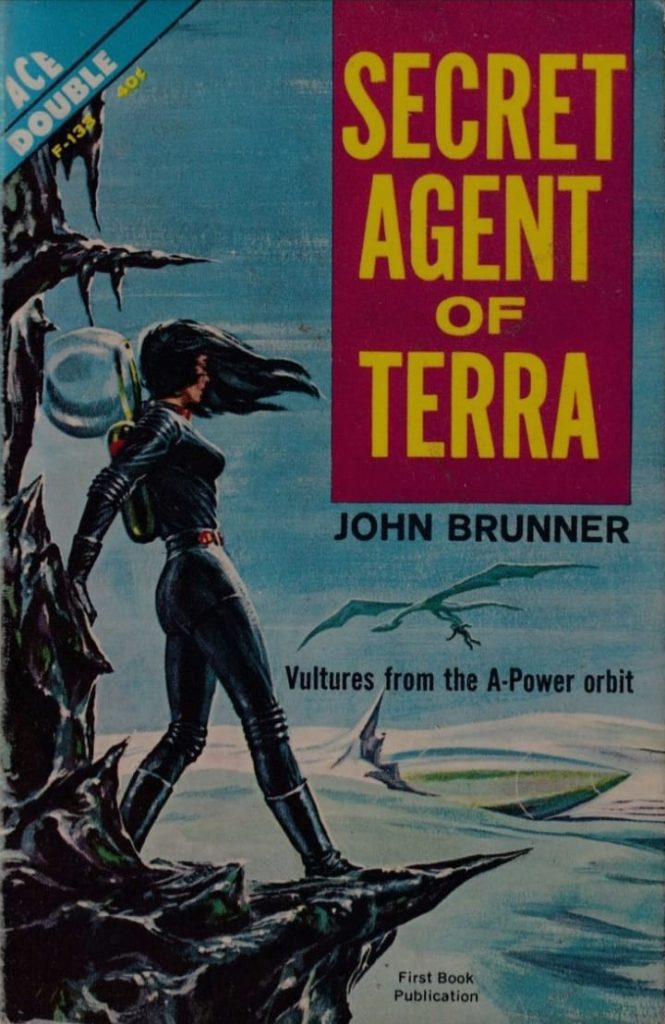
This one I just became aware of recently when searching for “Ace Doubles“ and that is PangoBooks.
The selection is not huge, but the titles were interesting and the pricing is very reasonable. Make sure to check them out too.
Strategy 4: Hit Your Local Library Book Sale
Budget: $5–$15 | Books acquired: 5–15
Library book sales are one of the most underused resources in vintage sci-fi collecting, and the readers who know about them treat that knowledge like a trade secret.
Here’s how they work: public libraries regularly cull their collections and receive donated books they can’t shelve. Those books go to periodic sales — sometimes quarterly, sometimes annually — where paperbacks typically sell for $0.25 to $1.00 each and hardcovers for $1.00 to $3.00. A $10 bill at a well-stocked library sale can yield ten to fifteen books without breaking a sweat.
How to find them:
- Search “[your city] library book sale”
- Check your library’s website events calendar
- Sign up for your library’s newsletter — sales are usually announced in advance
- The Better World Books website lists some library sales nationally
What to do when you get there:
Go early… serious buyers show up at opening. Bring a list of authors and titles you’re looking for but stay loose. Library sales reward the browser as much as the hunter. Scan spines quickly, pull anything that looks promising, evaluate the pile at the end.
The hidden advantage: Library sales often surface books that never make it to eBay or AbeBooks… donated copies from local estates, older regional editions, books that circulated for thirty years and are now quietly sitting in a box waiting for someone who cares. You will occasionally find something genuinely surprising.
One honest caveat: Library sales require patience and timing. You can’t manufacture one when you want it. But if you’re not already on your local library’s notification list, fix that today. It costs nothing and the payoff is real.
Strategy 5: Start with a Single Thrift Store Run
Budget: $10–$20 | Books acquired: 5–12
Thrift stores — Goodwill, Salvation Army, Value Village, local independents — are inconsistent in the best possible way. You can walk in on a Tuesday and find nothing worth buying. You can walk in on a Thursday and find eight books you’ve been looking for.
That inconsistency is what makes them worth building into a regular habit rather than treating as a one-time experiment.
How to approach thrift store hunting:
Vintage sci-fi paperbacks won’t be organized helpfully. They’ll be mixed into general fiction, sorted loosely by author last name if you’re lucky, completely unsorted if you’re not. Budget 20 to 30 minutes to work through the shelves properly.
Prices are typically $0.50 to $2.00 per paperback. At those prices, you can afford to take a chance on a book you’re not certain about.
What to look for quickly:
- Publisher imprints on the spine: Ace, Ballantine, DAW, Del Rey, Signet… these are your signals
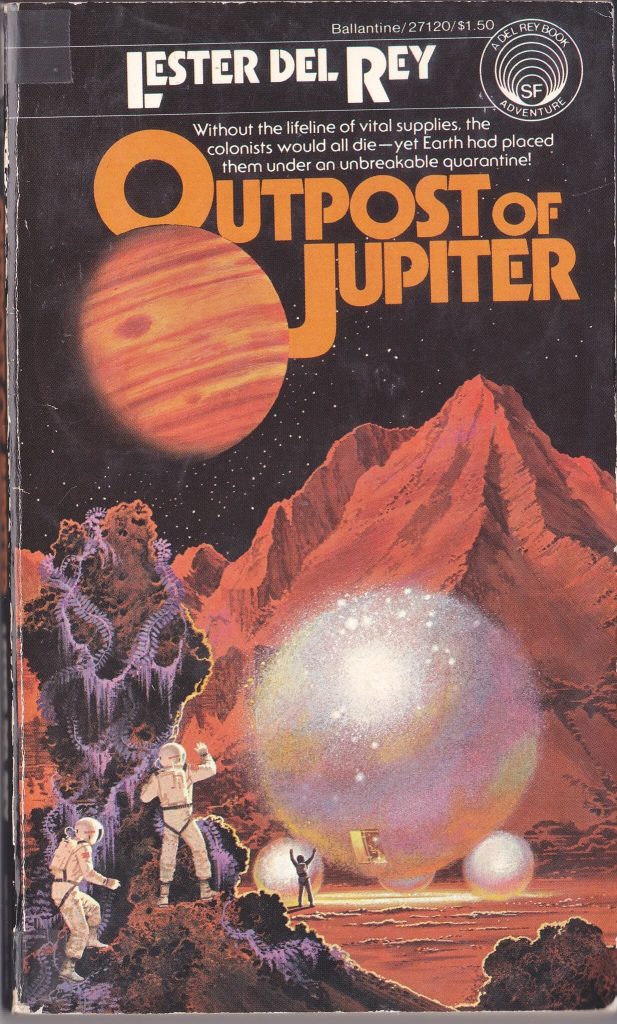
- Decade markers: books from the 1960s and 1970s have a visual language you’ll start to recognize quickly… the cover art, the typography, the paper color
- Author names you recognize from your reading list
The habit that pays off: Thrift stores restock continuously. A single visit tells you almost nothing. Six visits over three months tells you whether your local stores are worth returning to… and which days or times tend to yield better stock. Regulars get better results than occasional visitors.
Pro tip: Introduce yourself to the staff in the book section. In some stores, regulars who are known to be serious about specific categories get quiet tips when relevant donations come in. It sounds too simple to be true. It works.
Strategy 6: Spend the Whole $50 at One Good Used Bookstore
Budget: $40–$50 | Books acquired: 6–12
Everything so far has been about digital platforms, library sales, and thrift stores. But if you have a good independent used bookstore within driving distance, there’s a real argument for spending your entire budget there in a single visit.
Here’s why:
Curation. A good used bookstore has already done significant filtering work. The books on their shelves passed someone’s quality threshold. You’re not sorting through fifty titles to find five worth buying… the ratio is better from the start.
Organization. Dedicated sci-fi sections, sometimes broken down by era or author. You can actually browse efficiently.
Knowledge. Used bookstore staff who work the sci-fi section are often genuinely knowledgeable. Ask them what’s come in recently. Ask them what their best vintage paperbacks are. Ask them if they have anything in the back. A good conversation with the right person is worth thirty minutes of eBay searching.
Condition. Prices are higher than thrift stores — expect $3 to $8 per paperback — but the books have typically been graded and priced appropriately. Less guesswork.
The honest tradeoff: You’ll get fewer books for your $50. Six to twelve versus the fifteen to twenty-five you might pull from an eBay lot. But they’ll be books you consciously chose from a curated selection, which means a higher satisfaction rate per book on your shelf.
If you’re building a more focused collection rather than buying for volume, this approach pairs naturally with the guidance in our guide to how to start collecting vintage sci-fi paperbacks.
How to Combine These Strategies
You don’t have to pick just one. In fact, the collectors who build the most satisfying shelves tend to use all five… matching the strategy to the moment.
A reasonable $50 split might look like this:
- $25 on an eBay lot — instant volume, guaranteed discovery
- $15 on ThriftBooks — specific titles you know you want
- $10 held in reserve for the next library sale or thrift store run
That’s a starting collection of fifteen to twenty-five books, a mix of deliberate choices and happy accidents, and money left over for the next find.
The Vintage Sci-Fi Starter Library
The Vintage Sci-Fi Starter Library is a curated reading plan designed to introduce you to the best of vintage science fiction… one book per month for a year
Join the newsletter and get your reading plan →
One Last Thing
Fifty dollars is enough to start. It’s not enough to finish… but finishing isn’t the point. The point is to get ten or fifteen books on a shelf, crack the first one open, and find out what you’ve been missing.
The collection grows from there. It always does.
Already have a few books and ready to think more seriously about collecting? Our guide to starting a vintage sci-fi paperback collection covers condition grading, storage, and how to start thinking about value.